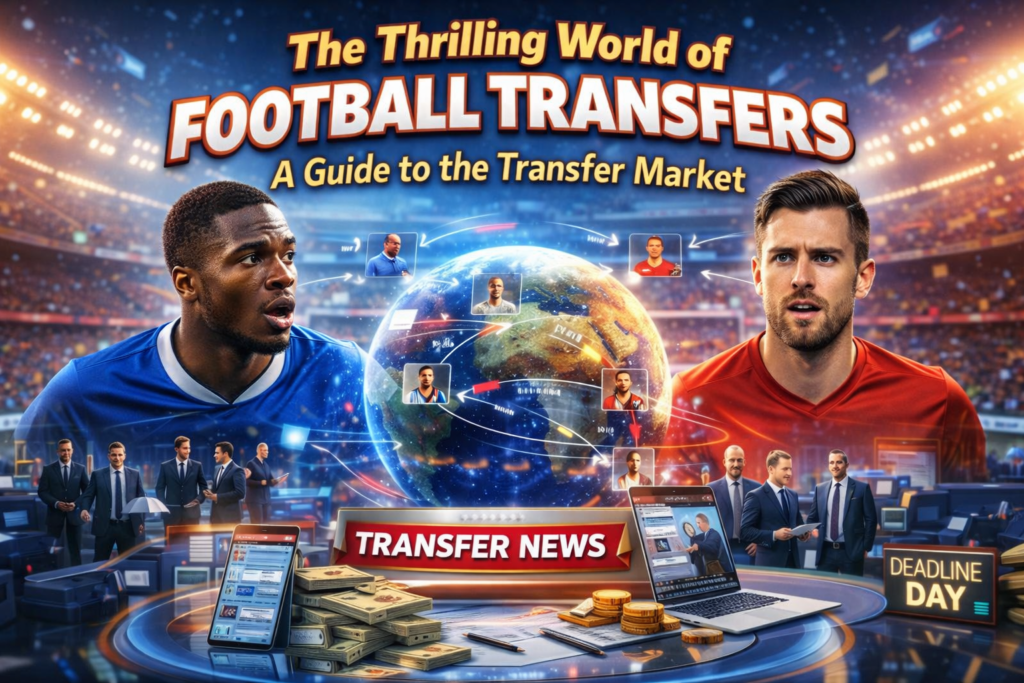
The football world is a relentless cycle of matches, victories, and defeats, but between the roar of the crowd and the final whistle, another drama unfolds – the transfer market. For many fans, transfer news is as captivating as the game itself, a continuous stream of speculation, rumour, and eventual confirmation that shapes the destiny of clubs and careers. This guide delves into the thrilling world of football transfers, explaining its intricacies, key players, and why it holds such a grip on the beautiful game.
The Transfer Window Explained
At the heart of transfer activity are the “transfer windows,” specific periods when clubs are officially allowed to register new players.
Summer Transfer Window
This is the main window, typically running from early June or July to late August or early September in Europe. It’s the busiest period, allowing clubs to overhaul squads, sign star players, and prepare for the upcoming season. The financial stakes are highest here, with blockbuster deals often making headlines.
Winter Transfer Window
A shorter, secondary window usually opens for the month of January. This window often sees clubs addressing urgent squad needs, replacing injured players, or offloading fringe players. While less active than the summer, it can still produce crucial signings that turn a club’s season around.
Deadline Day
The final day of each transfer window, known as Deadline Day, is a spectacle in itself. It’s a frantic rush against the clock, with clubs scrambling to complete deals, often leading to last-minute medicals, fax machine drama, and dramatic announcements. Sky Sports News, among others, has turned it into a must-watch event.
Key Players in the Transfer Market
A complex ecosystem of individuals and entities drives the transfer market.
Clubs
Both buyers and sellers, clubs are the primary actors. Their financial power, league position, and ambition dictate their transfer strategy. Some clubs are known for their shrewd dealings, others for their willingness to spend big.
Players
Ultimately, players are the assets being moved. Their performance, age, contract status, and desire for a new challenge or better wages are central to any transfer saga.
Agents
Player agents act as intermediaries, representing players’ interests, negotiating contracts, and often initiating moves. Good agents have extensive networks and can be crucial in facilitating deals.
Scouts & Sporting Directors
These individuals identify talent, assess potential targets, and build a club’s transfer wishlist. Sporting directors often oversee the entire recruitment strategy, working closely with the manager.
How Transfers Happen: The Process
While every transfer has its unique narrative, there’s a general process involved:
- Scouting & Identification: Clubs continuously scout players worldwide, identifying those who fit their tactical system, budget, and long-term vision.
- Initial Contact & Interest: Informal approaches are often made to the player’s agent or club to gauge interest and availability.
- Negotiation of Transfer Fee: If the player is under contract, the buying club must agree on a transfer fee with the selling club. This can be a lengthy and contentious process.
- Player Terms & Wages: Once a fee is agreed (or if the player is a free agent), the buying club negotiates personal terms with the player and his agent, including wages, bonuses, and contract length.
- Medical Examination: A crucial step where the player undergoes a thorough medical check-up to ensure fitness and identify any underlying health issues.
- Contract Signing: If all parties are satisfied, the player signs his new contract, and the clubs sign the necessary paperwork.
- Registration: The paperwork is submitted to the relevant football authorities (e.g., FIFA, FA, league) for official registration.
- Official Announcement: The transfer is publicly announced by both clubs, often with a photoshoot and interviews.
Types of Transfers
Not all transfers are created equal; different mechanisms exist for moving players.
Permanent Transfers
The most common type, where a player is bought outright from another club for an agreed fee and signs a new, long-term contract.
Loan Deals
A player temporarily moves to another club for a specified period (e.g., six months, one season). The parent club usually retains ownership. These can be “dry loans” or include an “option to buy” or “obligation to buy” clause.
Free Transfers
When a player’s contract with their current club expires, they are free to sign for any other club without a transfer fee being paid. This is often an attractive option for clubs seeking value.
Swap Deals
Less common but occasionally seen, where two clubs exchange players, sometimes with an additional cash adjustment.
Factors Influencing Transfers
Many variables dictate whether a transfer will materialize:
- Player Performance & Age: High-performing young players command higher fees.
- Contract Situation: Players nearing the end of their contract can be bought for less or leave for free.
- Club Finances & Ambition: Wealthy clubs can spend more; ambitious clubs might pay a premium.
- Managerial Changes: New managers often want to bring in their own players or offload others.
- Player Desire: A player’s wish to move, for footballing or personal reasons, is often a major factor.
- Injury History: Players with a history of serious injuries might be harder to sell or buy.
The Impact of Transfer News
Transfer news isn’t just gossip; it has tangible effects across the football landscape.
On Clubs
Transfers can make or break a season, strengthening a squad, filling a void, or generating much-needed funds. They also heavily influence fan morale and financial stability.
On Players
A transfer can be a career-defining moment, offering a new challenge, higher wages, or the chance to play at a higher level. It also brings immense pressure to perform.
On Fans
For supporters, transfer news is a roller coaster of emotions – excitement over potential signings, anxiety over losing key players, and the thrill of speculation. It fuels countless discussions and debates.
Where to Follow Transfer News
In the age of instant information, knowing where to get reliable transfer news is crucial.
Reputable Journalists & Sources
Journalists like Fabrizio Romano, David Ornstein, and Gianluca Di Marzio have built reputations for breaking accurate news. Trust established sports news outlets over unverified social media accounts.
Club Official Channels
For definitive confirmation, always refer to the official websites and social media channels of the clubs involved.
Aggregators & News Sites
Major sports news websites (e.g., BBC Sport, Sky Sports, ESPN, The Athletic) aggregate news from various sources, providing comprehensive coverage.
The Unending Saga
Transfer news is more than just a footnote in the football calendar; it’s a fundamental part of the sport’s narrative, driving speculation, excitement, and shaping the future of teams and players. Whether it’s the thrill of Deadline Day or the slow burn of a summer-long saga, the transfer market ensures that even when the ball isn’t rolling, the beautiful game continues to captivate.