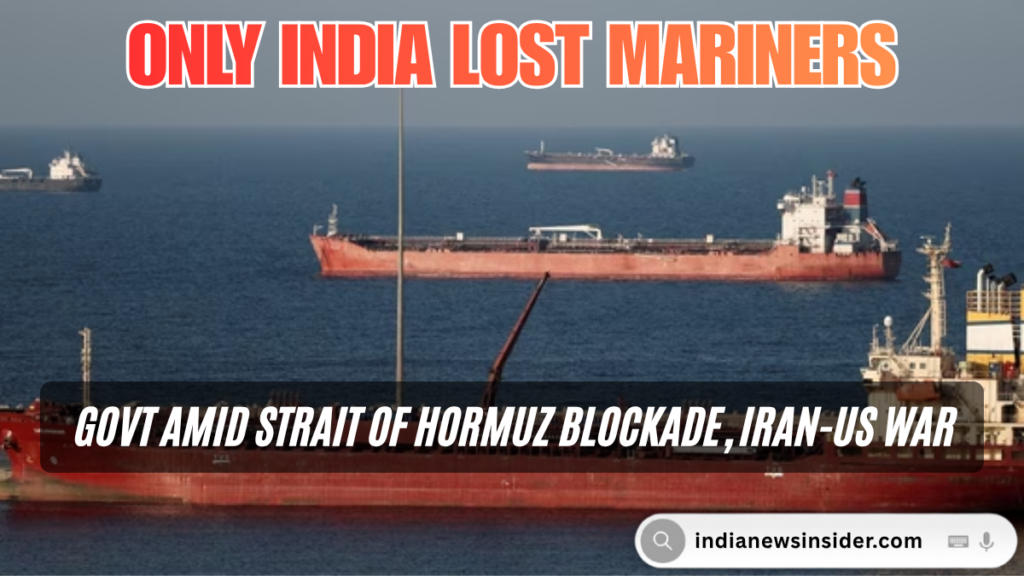
India Mariners Strait of Hormuz: Amid the escalating Iran-US conflict and the critical blockade of the Strait of Hormuz, India has emerged as the sole nation to have suffered the tragic loss of mariners in attacks on merchant shipping in the Gulf. This somber distinction underscores India’s urgent plea for the reopening of this vital international waterway and a return to diplomatic solutions. The nation’s foreign secretary, Vikram Misri, recently represented India at a crucial UK-convened meeting, emphasizing the paramount importance of freedom of navigation and unimpeded transit through international waters.
Join our social media platform
India’s Urgent Call for Reopening and Freedom of Navigation
Foreign Secretary Vikram Misri articulated India’s firm position at the UK-led discussions, which sought to explore avenues for reopening the Strait of Hormuz. With over 60 countries participating, though notably without the United States, the meeting highlighted global concerns over disruptions to energy supplies and maritime trade. Misri reiterated India’s unwavering commitment to safeguarding maritime routes, underscoring the necessity of free and unimpeded passage through international waterways. His address brought into sharp focus the severe impact of the Iran-US war on India’s energy security, a critical concern for the nation’s economy.
The Unspoken Toll: India’s Unique Sacrifice
A poignant aspect of India’s intervention was the revelation that the country remains the only one to have lost mariners in the ongoing conflict. This significant detail adds a profound human dimension to India’s advocacy for peace and stability in the region.
Three Lives Lost in the Gulf Conflict
The early days of the West Asia conflict saw the tragic deaths of three Indian seafarers among eight Indian nationals killed in attacks on merchant vessels. These incidents serve as a stark reminder of the grave risks faced by those navigating the volatile waters of the Gulf and underscore the tangible human cost of geopolitical tensions. Misri’s emphasis on these losses further solidified India’s unique and painful stake in the resolution of the Strait of Hormuz crisis.
Global Diplomacy vs. US Stance on the Strait
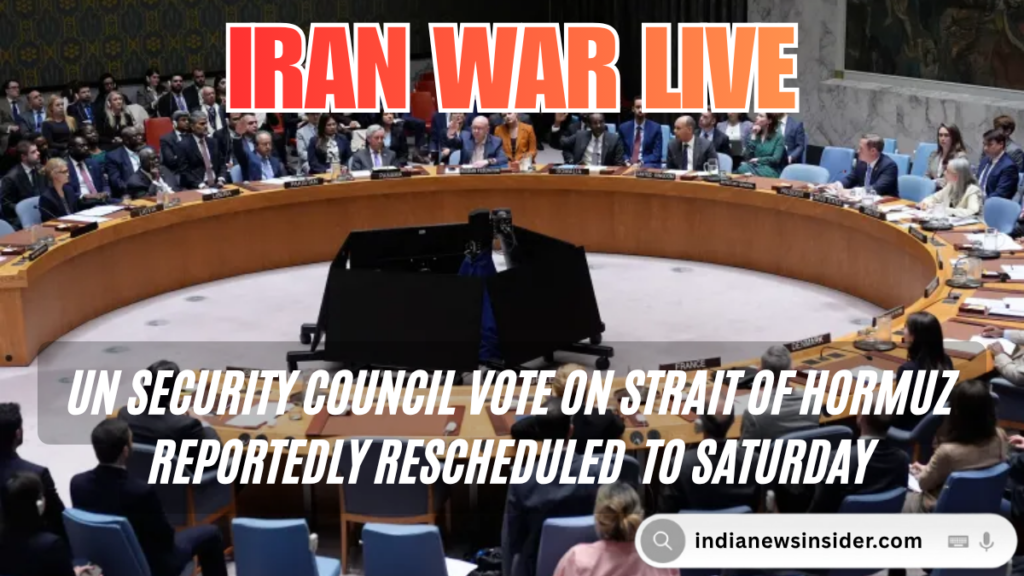
The UK-led meeting, convened by British Foreign Minister Yvette Cooper, aimed at finding political and diplomatic solutions rather than advocating for military intervention. Cooper stated that the discussions reflected “the strength of our international determination” to reopen the Strait of Hormuz, highlighting a broad international consensus on the need for peaceful resolution.
President Trump’s Controversial Remarks
In contrast to these diplomatic efforts, US President Donald Trump, in his first televised address on the war with Iran, placed the onus of securing the strategic waterway on other nations. Trump suggested that countries experiencing fuel shortages due to the Strait’s closure should either purchase oil from the US or “build up some delayed courage” and “just take” supplies. He further asserted that the strait “will open up naturally” once the conflict ends, without providing any specific timeline or path to de-escalation.
India’s Consistent Advocacy for Maritime Security
India’s external affairs ministry spokesperson, Randhir Jaiswal, consistently reiterated the nation’s stance on maritime security. Jaiswal affirmed India’s steadfast support for free and open commercial shipping and maritime security, in strict adherence to international law. He emphasized India’s priority in ensuring safe and free navigation through the Strait of Hormuz, a position that predates the current intensified conflict.
Path Forward: Diplomacy and De-escalation
Looking ahead, Foreign Secretary Misri clearly outlined India’s perspective on a sustainable resolution. He asserted that the “way out of the crisis consisted of de-escalation and a return to the path of diplomacy and dialogue among all concerned parties.” This statement reinforces India’s long-standing commitment to peaceful conflict resolution and underscores its call for all stakeholders to prioritize dialogue over confrontation.
India’s unique experience of losing mariners in the Strait of Hormuz crisis adds significant weight to its calls for de-escalation and the restoration of free navigation. As the international community grapples with the complexities of the Iran-US war, India’s voice stands out, advocating for diplomacy, respect for international law, and the protection of global maritime trade, a stance deeply informed by its own human loss.
Read More
- NDTV India is Hindi News Website. Read Hindi News, Latest Hindi News, Today Hindi News, Breaking Hindi News, Hindi Samachar
- Today’s news: Get latest and Breaking News on Politics, Business, Lifestyle, Entertainment and Sports along with News updates from around the world.
- Read the Latest News Updates online related to India, World and US business and economy.
- Times of India: News – Breaking News, Latest News, India.
- ભારતની તમામ નવી સરકારી યોજનાઓ 2026 વિશે માહિતી