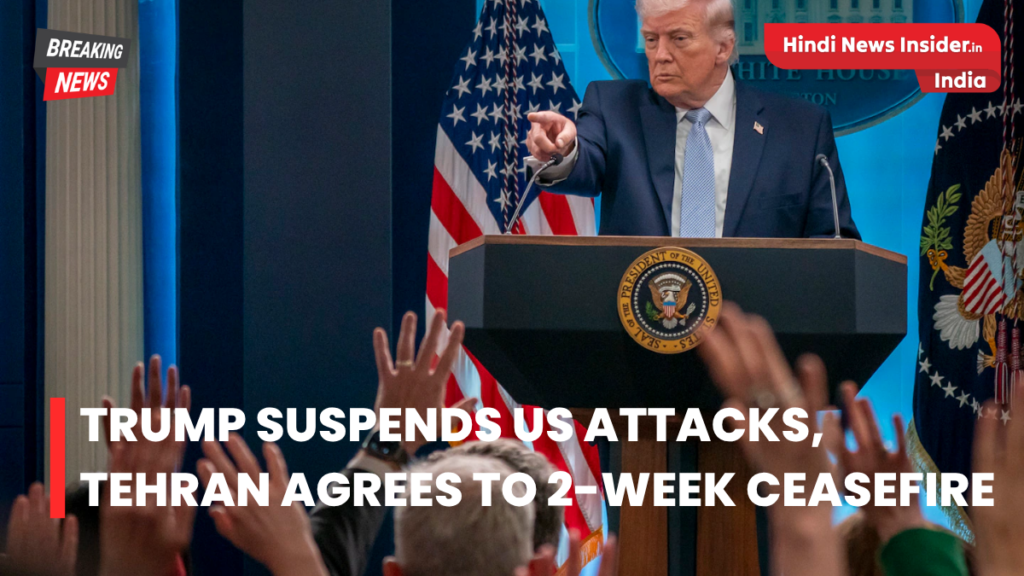
The recent announcement of a two-week US-Iran Ceasefire Deal marks a significant development, igniting a fresh wave of hope for de-escalation in the long-strained Middle East. This ceasefire, finalized after the United States accepted Iran’s 10-point peace proposal, immediately sparked celebrations in Baghdad, the capital of Iraq, where citizens who have endured decades of conflict and instability breathed a collective sigh of relief.
This US-Iran Ceasefire Deal is not merely an attempt to halt direct confrontation between the two rival powers; it could signify a crucial step towards peace and diplomatic solutions in the region, potentially reshaping the geopolitical landscape.
Join our social media platform
Iraq, which has long served as a proxy battleground for the United States and Iran, stands as one of the nations most profoundly affected by this ceasefire. The country has been plagued by relentless attacks between Iran-backed armed groups and US forces, exacting a heavy toll on innocent civilians.
Just prior to the ceasefire announcement, Iraqi officials reported that at least seven people, including two children, had been killed in attacks across the country. In this context, news of the US-Iran Ceasefire Deal has provided immense relief to the Iraqi people, who are hopeful that this agreement will spare their nation from further violence and pave the way for a more stable future.
US-Iran Ceasefire Deal: A Turning Point for Middle East De-escalation
The US-Iran Ceasefire Deal could indeed prove to be a pivotal moment in efforts to reduce tensions across the Middle East. The announcement, made late on a Tuesday night, was swiftly followed by widespread celebrations in Baghdad. People poured into the streets, reveling in the hope that this agreement would finally bring peace to their country. Iraq, which had become the epicenter of the protracted proxy conflict between America and Iran, has suffered immensely. Pro-Iranian armed groups have consistently launched attacks on US bases and personnel, while American forces have responded with retaliatory strikes. These clashes frequently claim the lives of innocent civilians, posing a grave threat to the nation’s stability and security.
The tragic incidents preceding the ceasefire, which saw at least seven individuals, including two children, killed, underscore the extreme fragility of the situation in Iraq. Civilian lives were constantly at risk, with each day passing under a cloud of uncertainty and fear. In this dire context, the US-Iran Ceasefire Deal will not only help prevent direct military confrontation between the two nations but also offer countries like Iraq an invaluable opportunity to focus on their internal stability. This agreement could herald the beginning of a broader diplomatic process in the region, fostering hopes for long-term peace and security. It is not merely a temporary pause in hostilities but potentially the first stride towards a comprehensive and lasting resolution.
Iran’s 10-Point Proposal: The Framework for Negotiations
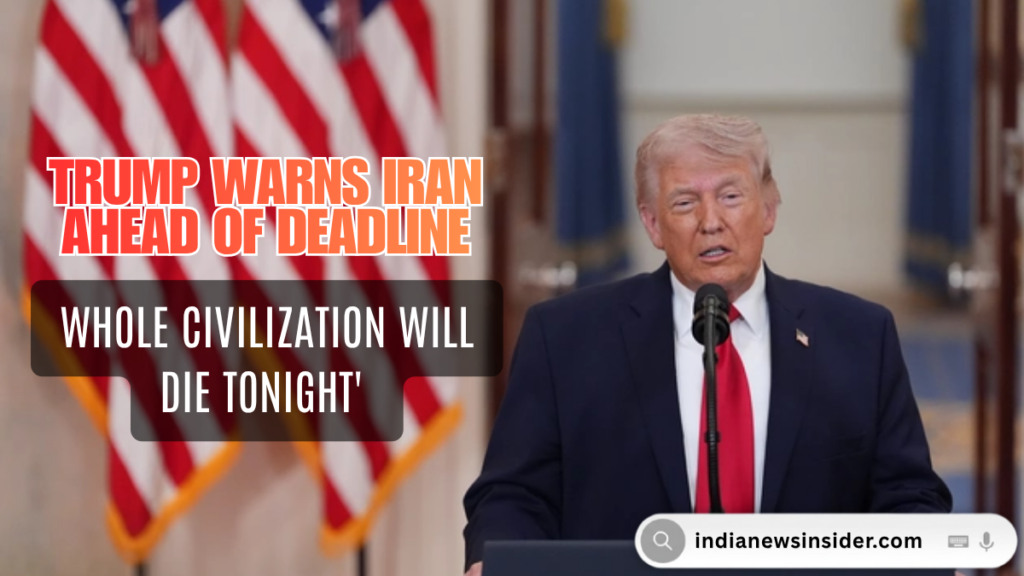
The foundation of the US-Iran Ceasefire Deal rests upon a 10-point plan drafted by Iran, which has been accepted by US President Donald Trump. This comprehensive plan will serve as the basis for upcoming negotiations scheduled to take place on Friday in Islamabad, the capital of Pakistan. According to Iran’s Fars news agency, further details about this crucial plan have emerged, with an informed source providing a detailed breakdown of the proposals. This plan endeavors to address Iran’s pressing security concerns, economic interests, and regional role, while simultaneously seeking significant concessions from the United States. Its acceptance signals a potential shift in the diplomatic deadlock that has characterized US-Iran relations for years, offering a structured approach to resolving complex issues.
In-Depth Analysis of the 10-Point Proposals
Iran’s 10-point plan, which paves the way for the US-Iran Ceasefire Deal, encompasses several critical points designed to build trust between both parties and provide a blueprint for future diplomatic engagement. A thorough analysis of these proposals is essential to understand their potential impact:
Iran’s Commitment to Non-Nuclear Weapons
This proposal represents a crucial assurance from Iran that it will not develop nuclear weapons. It directly addresses one of the international community’s foremost concerns and reinforces Iran’s commitment to the Nuclear Non-Proliferation Treaty (NPT). For the United States and Western countries, this has been a paramount demand, and its inclusion signifies a willingness by Iran to engage on this sensitive issue.
Cessation of Aggression Against Iran and Allies
This point seeks to guarantee Iran’s sovereignty and security. It implies that the United States and its allies must completely cease military actions or hostile activities against Iran or its regional partners. This would significantly bolster Iran’s sense of regional security and potentially reduce the frequency of proxy conflicts.
Potential US Troop Withdrawal and Ban on Attacks from Regional Bases
This proposal reflects Iran’s long-standing demand for a reduction in the American military presence in the Middle East. Iran views US military presence as a destabilizing factor in the region. If accepted, this point could substantially alter the balance of power in the Middle East, leading to a significant recalibration of regional security arrangements.
Limited Daily Passage for Ships through Strait of Hormuz
The Strait of Hormuz is a vital maritime chokepoint through which a substantial portion of global oil passes. Iran has previously threatened to close it, which could severely impact the global economy. This proposal aims to de-escalate tensions by ensuring the safe and limited passage of vessels, while allowing Iran to maintain its sovereign rights over this critical waterway. This balances global economic interests with Iran’s strategic concerns.
Lifting of All Sanctions (Primary, Secondary, UN)
This is one of Iran’s most critical demands. Years of sanctions have severely crippled the Iranian economy. Lifting these sanctions would provide Iran with an opportunity to revitalize its economy and re-engage in international trade. This would represent a major economic relief for Iran and is a key incentive for its participation in the deal.
Compensation for Iran’s War-Related Losses
This proposal seeks to compensate Iran for the economic damages incurred due to past conflicts and sanctions. It would function as a reparations mechanism, assisting Iran in rebuilding its infrastructure and supporting its economic development efforts, fostering a sense of justice and fairness.
US Acceptance of Iran’s Right to Enrich Nuclear Material
This point addresses a contentious aspect of Iran’s nuclear program. Iran has consistently asserted its right to peaceful nuclear energy, including uranium enrichment. US acceptance of this right would be a significant concession, although discussions on the level of enrichment would still be necessary to ensure it is not used for nuclear weapons production.
Iran’s Right to Negotiate Bilateral/Multilateral Peace Treaties
This proposal would grant Iran the opportunity to play a more active role in regional diplomacy and normalize relations with its neighbors. This could be crucial for reducing regional tensions and building trust, potentially leading to new alliances and cooperation agreements.
Extension of Non-Aggression Policy to All Resistance Groups
This point addresses Iran’s regional influence and its relationships with allied militia groups. It suggests that attacks against these groups should also cease, leading to a broader reduction in conflict across the region. This is a sensitive issue, as the US often views these groups as terrorist entities or sources of instability.
UN Resolution for Ratification of All Commitments
This proposal ensures that the commitments made in the US-Iran Ceasefire Deal are legally binding under international law. A UN resolution would lend legitimacy to these agreements and increase the likelihood of an international response if they are violated in the future. This promotes transparency and accountability, crucial for long-term adherence.
The successful implementation of these 10 points could lay the groundwork for a lasting peace process between the two nations, although each point will require intensive negotiation and significant trust-building efforts.
International Acclaim and UN Support for the US-Iran Ceasefire Deal
The announcement of the US-Iran Ceasefire Deal has been warmly welcomed by United Nations Secretary-General António Guterres. His spokesperson, Stéphane Dujarric, stated that Guterres welcomed the news of the two-week ceasefire between the United States and Iran. This widespread international support for such a crucial diplomatic initiative underscores its global significance and the collective desire for peace in the region.
Guterres urged all parties to “abide by their obligations under international law and adhere to the terms of the ceasefire” to “pave the way for a lasting and comprehensive peace in the region.” This statement not only encourages both sides to respect the agreement but also emphasizes that this ceasefire is merely an initial step, and much more work is needed to achieve long-term peace and stability.
He further stressed that “the cessation of hostilities is urgently needed to protect civilian lives and alleviate humanitarian suffering.” This remark highlights the plight of millions affected by ongoing conflicts in the region and underscores the humanitarian importance of this ceasefire.
Dujarric also confirmed that the UN Secretary-General’s personal envoy, Jean Arnault, is “present to support efforts towards lasting peace in the region.” This indicates that the United Nations is actively involved in this process, dedicating its diplomatic resources to ensure the success of the peace talks and provide ongoing mediation.
The Critical Two Weeks Ahead: Challenges and Opportunities for the US-Iran Ceasefire Deal
The two weeks following the US-Iran Ceasefire Deal will be exceptionally critical, as highlighted by Trita Parsi, Vice President of the Quincy Institute for Responsible Statecraft, in an interview with Al Jazeera. Parsi believes that US President Trump needed an exit strategy from this conflict because it had “become a complete disaster.”
He stated, “Trump needed an exit, and he took it.” This suggests that the ceasefire could be a strategic move by the Trump administration to reduce US military engagement in the Middle East and alleviate domestic political pressures.
Parsi further elaborated that “the next two weeks are going to be critical.” According to him, “I think you have the potential for a genuine diplomatic opening, but we’re not there yet.” This statement underscores that the ceasefire is only the first step, and considerable work remains for both sides to build trust and achieve tangible progress.
The success of the negotiations will hinge on how seriously both parties engage with Iran’s 10-point plan and their willingness to address each other’s concerns comprehensively and reciprocally.
Parsi also analyzed the potential consequences if the talks were to fail. He remarked, “Even if the talks fail, I find it hard to see Trump going back to this war in the way he has done so far, because the Iranians would still have the capacity to shut down the strait and put tremendous pressure on Trump and the global economy.” This commentary highlights Iran’s strategic leverage, particularly through its control over the Strait of Hormuz. Iran possesses the capability to disrupt global oil supplies, which could have severe repercussions for the global economy.
Therefore, even after the ceasefire, it would be a risky move for the Trump administration to revert to military confrontation, as it could provoke severe economic retaliation from Iran. Consequently, the next two weeks are not only crucial for potential diplomatic success but will also determine whether both sides can avert a dangerous military escalation, pushing them towards sustained dialogue.
Regional Stability: Broader Implications of the US-Iran Ceasefire Deal
This US-Iran Ceasefire Deal will not only affect relations between the United States and Iran but will also have profound implications for the overall regional stability of the Middle East. For decades, the region has been dominated by conflict, proxy wars, and geopolitical rivalries. This ceasefire offers a rare and significant opportunity to de-escalate tensions and explore peaceful resolutions, potentially ushering in a new era of regional cooperation.
The US-Iran Ceasefire Deal significantly increases the potential for de-escalation across the region. The constant fear of direct confrontation between Iran and the US always created uncertainty and instability.
Now, with a ceasefire in place and diplomatic negotiations underway, other regional players, such as Saudi Arabia, the United Arab Emirates, and Israel, may also be encouraged to reconsider their stances and take steps towards de-escalation. This could trigger a chain reaction where regional tensions diminish, and new avenues for dialogue open up between various states, fostering a more collaborative environment.
However, the challenges are equally substantial. The greatest challenge lies in building trust. After years of mistrust, hostility, and mutual accusations, it will be difficult for both sides to believe in each other’s intentions. Iran’s 10-point plan contains several elements that the US and its allies might object to, and similarly, Iran might object to American demands.
Resolving underlying issues such as Iran’s nuclear program, its support for regional proxy activities, and the US military presence in the region will demand time, patience, and unwavering commitment from all parties involved. Without addressing these fundamental issues, any peace achieved will likely remain temporary and fragile.
The role of regional actors will also be critical. Some countries, like Iraq, will undoubtedly welcome this ceasefire as it could bring much-needed peace to their nation.
However, other countries, with their own security concerns or hostile relations with Iran, may view this agreement with skepticism. It will be crucial for the negotiation process to address these regional concerns comprehensively to establish a broad and inclusive peace that is acceptable to all stakeholders, ensuring its longevity and effectiveness.
Specific Implications for Iraq and Neighboring Countries
Iraq, as previously mentioned, stands to be one of the primary beneficiaries of this US-Iran Ceasefire Deal. The conflict between American and Iranian forces and their allied groups had internally destabilized the country, weakening governmental institutions and consistently deteriorating the security situation.
The ceasefire will provide Iraq with an opportunity to strengthen its internal security, reclaim its sovereignty, and focus on vital nation-building efforts. However, the Iraqi government will still face challenges such as controlling Iran-backed militia groups and negotiating the future of the US military presence within its borders, requiring delicate diplomatic navigation.
For other Gulf states, particularly Saudi Arabia and the United Arab Emirates, this ceasefire also carries significant implications. These countries have long viewed Iran’s regional activities and its nuclear program as direct threats to their security. If the US-Iran Ceasefire Deal leads to a broader diplomatic process, these nations may also find an opportunity to redefine their relationships with Iran.
This could potentially pave the way for ending the ongoing conflict in Yemen and establishing a new security architecture in the Gulf region, fostering greater stability. However, they will require assurances that Iran will abandon its nuclear ambitions and cease supporting regional proxy groups, necessitating robust verification mechanisms.
Conclusion
The US-Iran Ceasefire Deal marks a significant, albeit initial, step towards peace and stability in the Middle East. The celebrations in Iraq, the welcome from the United Nations, and expert analyses all concur that this presents a genuine diplomatic opportunity. Iran’s 10-point plan offers a comprehensive basis for negotiations, encompassing critical issues ranging from nuclear commitments to the lifting of sanctions.
However, the upcoming two weeks of talks and the subsequent process will be exceedingly challenging, requiring both sides to demonstrate genuine political will for trust-building and addressing deeply entrenched underlying issues.
Experts like Trita Parsi believe that even if the talks fail, it will be difficult for US President Trump to revert to full military confrontation, given Iran’s significant capacity to disrupt the global economy. This situation provides a compelling incentive for diplomacy. Ultimately, this US-Iran Ceasefire Deal offers a beacon of hope not only for American and Iranian interests but also for the people of the entire Middle East, who have suffered from decades of conflict and instability.
Lasting peace will only be possible if all parties adhere to international law, commit to alleviating humanitarian suffering, and work towards a comprehensive, inclusive solution. It will be a long and arduous journey, but the crucial first step has been taken.
Read More
- NDTV India is Hindi News Website. Read Hindi News, Latest Hindi News, Today Hindi News, Breaking Hindi News, Hindi Samachar
- Today’s news: Get latest and Breaking News on Politics, Business, Lifestyle, Entertainment and Sports along with News updates from around the world.
- Read the Latest News Updates online related to India, World and US business and economy.
- Times of India: News – Breaking News, Latest News, India.
- ભારતની તમામ નવી સરકારી યોજનાઓ 2026 વિશે માહિતી