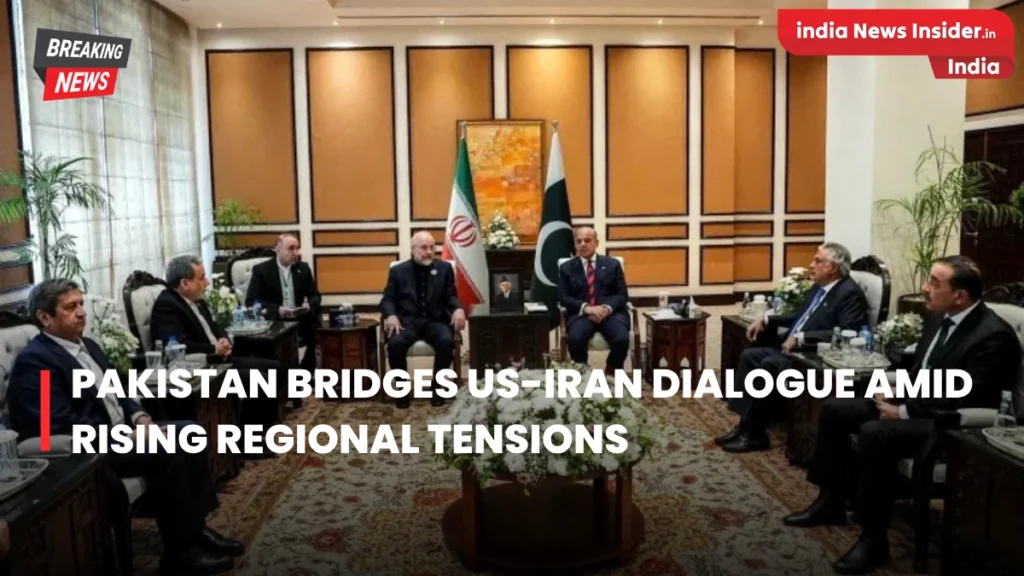
A complex web of diplomatic overtures, escalating threats, and ongoing regional conflicts currently defines the geopolitical landscape, with Pakistan emerging as a key facilitator in potential US-Iran negotiations. This comes amidst heightened tensions between Washington and Tehran, coupled with continued instability in the broader Middle East.
Read also: US-Iran Tensions: Trump Signals Preference for Deal Amidst Port Blockade and War Claims
Diplomatic Overtures and Pakistan’s Role
Pakistan is actively playing a significant role in fostering dialogue between the United States and Iran, aiming to de-escalate tensions and explore pathways for future negotiations.
Pakistan Facilitates Potential US-Iran Talks
A high-level delegation from Pakistan, led by the country’s army chief, recently held discussions with Iranian officials. The primary focus of these talks was the possibility of initiating a new round of negotiations between Tehran and Washington. This initiative underscores Pakistan’s commitment to regional stability and its willingness to act as a mediator in complex international disputes.
White House Optimism for Future Dialogues
Following these developments, a White House spokesperson expressed optimism regarding continued negotiations between the US and Iran. The spokesperson indicated that future talks were likely to be held once again in Pakistan’s capital, Islamabad, signaling confidence in Pakistan’s ability to provide a neutral and conducive environment for such sensitive discussions.
Escalating Tensions and Iranian Threats
Despite diplomatic efforts, significant tensions persist between the US and Iran, with Tehran issuing stark warnings regarding its response to perceived aggression.
Iran’s Warning on Maritime Trade
In a significant escalation of rhetoric, the Iranian military has threatened to block trade in strategic waterways, including the Red Sea, as well as the Gulf and Sea of Oman. This threat is contingent on the US continuing its naval blockade of Iranian ports, indicating a potential for widespread disruption to global shipping and energy supplies should the situation escalate further.
US Domestic Stance on Iran Conflict
Within the United States, there is an ongoing debate regarding the scope and authorization of military action concerning Iran.
Senate Rejects Resolution to Halt War
The US Senate recently voted against a Democratic-led resolution that sought to halt the US war on Iran until official authorization was granted by Congress. This vote highlights the division within US political circles on the extent of executive power in initiating and continuing military engagements.
Read also: Chinese Tanker Defies Trump’s Hormuz Blockade, Escalating Tensions
Regional Instability: Israel-Lebanon Conflict
Beyond the US-Iran dynamic, the broader region continues to grapple with active conflicts, illustrating the pervasive instability.
Israeli Attacks Target Lebanese Paramedics
In a recent tragic incident, Israel continued its attacks on Lebanon, resulting in the deaths of four Lebanese paramedics. Six other paramedics were injured while they were taking part in an emergency mission in the town of Mayfadoun, near Nabatieh, in the south of the country. This event underscores the severe humanitarian impact of the ongoing conflict in the region.
Read More
- NDTV India is Hindi News Website. Read Hindi News, Latest Hindi News, Today Hindi News, Breaking Hindi News, Hindi Samachar
- Today’s news: Get latest and Breaking News on Politics, Business, Lifestyle, Entertainment and Sports along with News updates from around the world.
- Read the Latest News Updates online related to India, World and US business and economy.
- Times of India: News – Breaking News, Latest News, India.
- ભારતની તમામ નવી સરકારી યોજનાઓ 2026 વિશે માહિતી